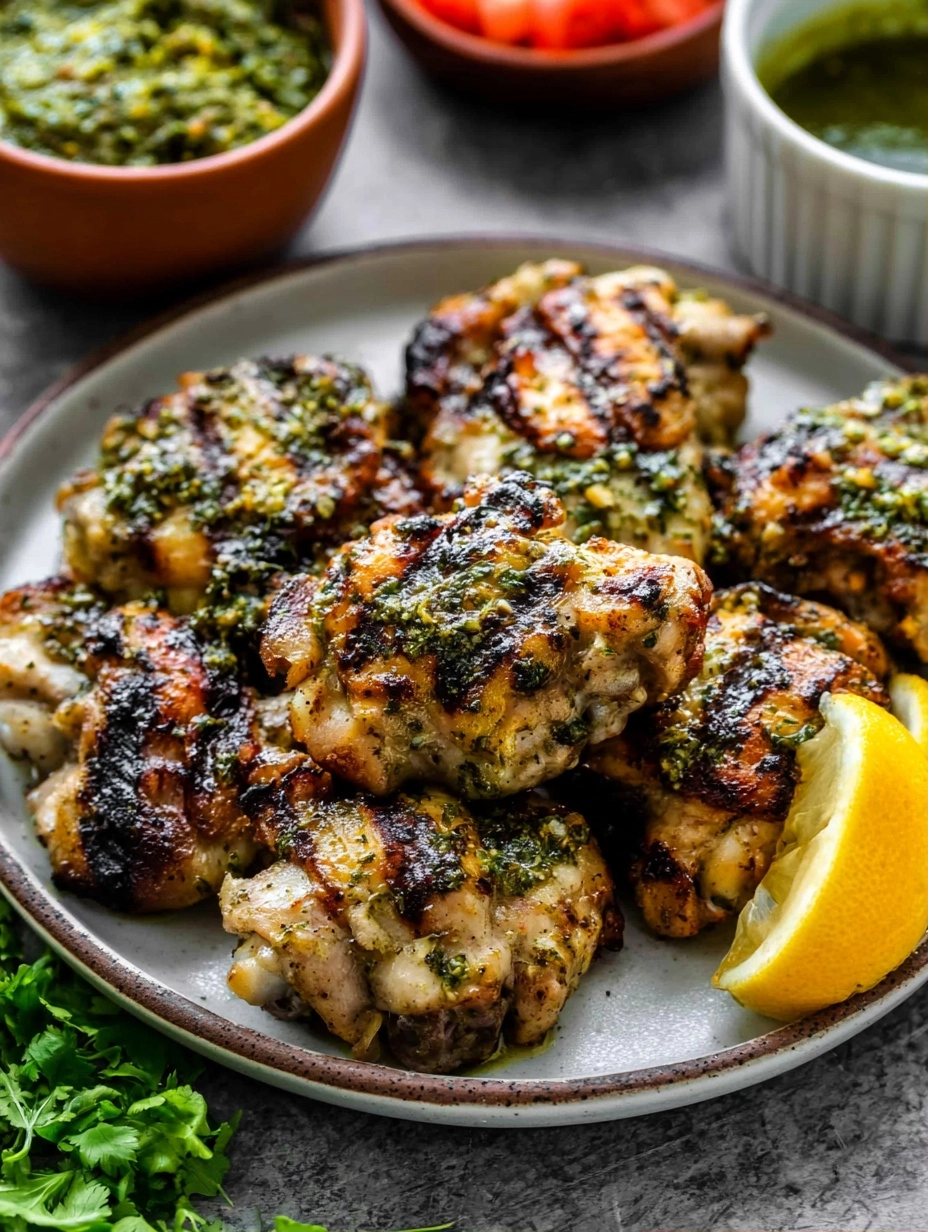

Chicken satay represents one of the most beloved street foods globally, offering a perfect harmony of aromatic spices and charred, savory protein. While many people associated this dish with complex restaurant techniques, you can recreate these authentic flavors in your own kitchen with simple ingredients and a high-heat grill.
This guide explores the secrets behind the perfect marinade, the importance of lemongrass, and how to achieve that signature golden hue using turmeric.
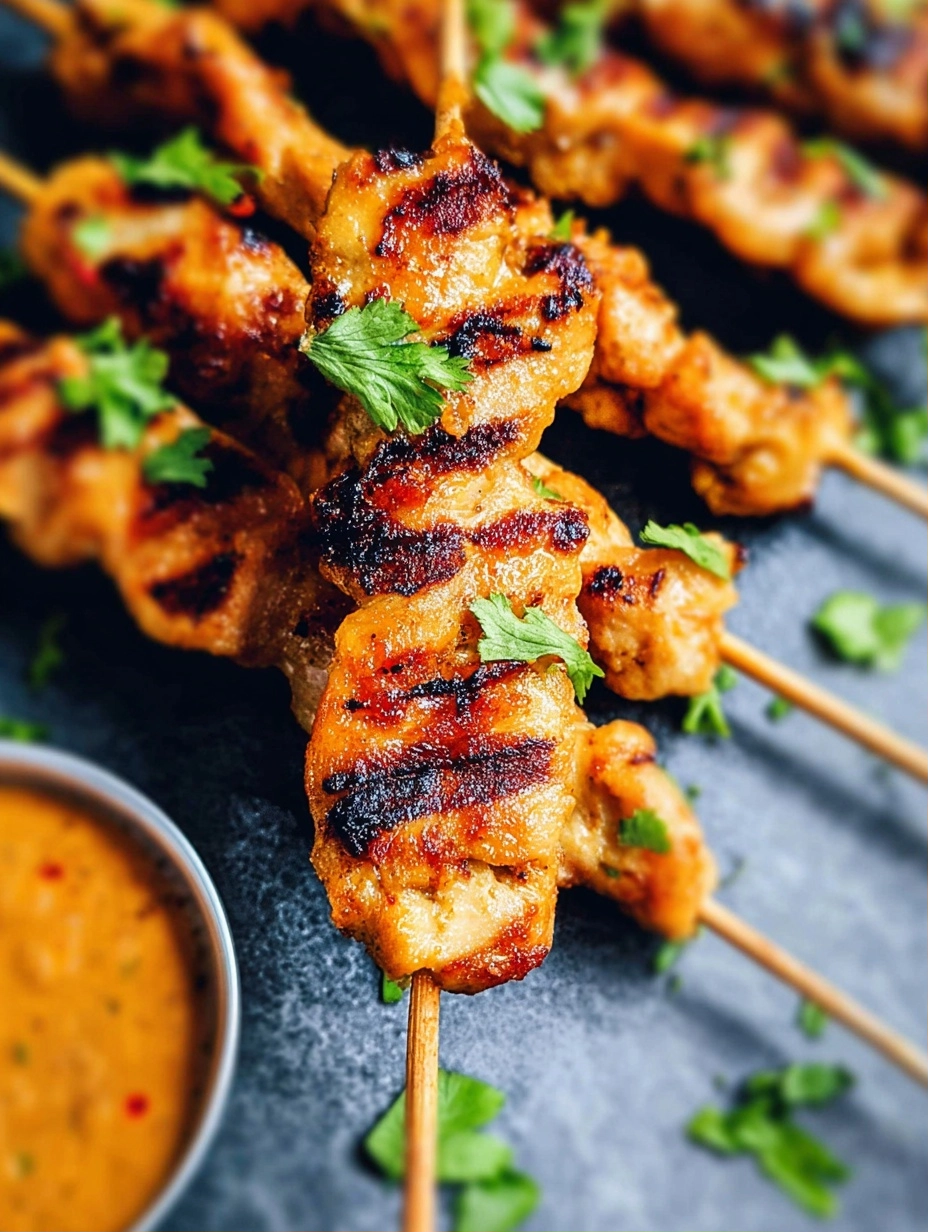
The Essentials of a Perfect Satay Marinade
The soul of any great chicken satay lies within its marinade. Instead of a liquid soak, authentic satay utilizes a thick, aromatic paste. By blending fresh shallots, white onions, and garlic, you create a pungent base that penetrates deep into the poultry fibers.
The inclusion of lemongrass provides a citrusy brightness that cuts through the richness of the meat, while turmeric offers its iconic earthy flavor and vibrant yellow color.
Why Chicken Thighs Matter
When selecting meat for this recipe, always choose boneless, skinless chicken thighs over breasts. Chicken thighs contain more fat, which keeps the meat succulent and moist under the intense heat of the grill. Thigh meat also withstands longer marination times without becoming chalky or dry, ensuring every bite remains tender and flavorful.
Understanding Your Ingredients
Every component in this recipe serves a specific purpose. Soy sauce provides the necessary salt and umami, while a touch of sugar encourages caramelization on the grill. The addition of coconut cream in the basting sauce creates a protective layer that locks in juices while adding a subtle tropical aroma.
For those looking for a clean, halal-friendly profile, we ensure all sweeteners and fats are plant-based or poultry-derived, avoiding any forbidden additives.
The Role of Lemongrass
To prepare the lemongrass, discard the tough outer leaves and use only the pale inner bulb. Mincing this finely or blending it into a paste releases essential oils that provide a floral, lemony scent impossible to replicate with extracts or lemon juice alone.
Step-by-Step Culinary Mastery
Preparation begins with the paste. Using a food processor simplifies the task of breaking down fibrous shallots and lemongrass. Once the paste reaches a smooth consistency, massage it thoroughly into the cubed chicken.
While a 10-minute rest works in a pinch, allowing the meat to sit for several hours allows the enzymes in the onion and garlic to tenderize the protein further.
Skewer Safety and Technique
If you use bamboo skewers, soak them in water for at least 30 minutes prior to threading. This prevents the wood from burning to a crisp on the grill. When threading, push the meat pieces close together to ensure they cook evenly and retain moisture, rather than drying out as individual nuggets.
Grilling to Perfection
High heat is your friend when cooking satay. Whether using an outdoor grill or an indoor grill pan, ensure the surface is screaming hot before adding the skewers. The goal is to achieve a deep sear and slight charred edges within two to three minutes per side.
Baste frequently with the coconut oil mixture to create a glossy, flavorful finish.
Nutrition Profile
This dish is an excellent source of lean protein and healthy fats. Below is the breakdown per serving:
| Nutrient | Amount Per Serving |
|---|---|
| Calories | 141 kcal |
| Protein | 15 g |
| Total Fat | 7 g |
| Carbohydrates | 4 g |
| Fiber | 0.3 g |
| Sugar | 2 g |
| Sodium | 346 mg |
Frequently Asked Questions
Can I bake this in the oven?
Yes, while grilling provides the best flavor, you can bake these at 400 degrees Fahrenheit on a wire rack for 12-15 minutes, turning once. Finish under the broiler for two minutes to get that charred effect.
What should I serve with Chicken Satay?
Traditionally, satay is served with a rich peanut sauce, fresh cucumber slices, and red onion wedges. Steamed jasmine rice or compressed rice cakes (lontong) make excellent side dishes to soak up the extra sauce.
How do I store leftovers?
Remove the chicken from the skewers and store in an airtight container in the refrigerator for up to three days. Reheat gently in a pan with a splash of water to keep the meat from drying out.
Conclusion
Mastering chicken satay opens the door to a world of Southeast Asian flavors. By focusing on fresh aromatics and the right cut of meat, you can produce a high-protein, delicious meal that rivals any takeout option. Follow these steps, emphasize the basting process, and enjoy the perfect balance of sweet, salty, and savory notes.
The Recipe
Print
Chicken Satay
- Total Time: 15 min
- Yield: 12 servings 1x
- Diet: High Protein
Description
Indulge in these tender, aromatic chicken skewers marinated in a vibrant blend of lemongrass and turmeric, grilled to smoky perfection.
Ingredients
2 pounds chicken thighs (cubed)
2 shallots (peeled)
1/2 white onion (chopped)
3 stalks lemongrass (trimmed)
1 teaspoon turmeric
3 cloves garlic (minced)
1 teaspoon salt
1 tablespoon sugar
2 tablespoons oil
1 tablespoon soy sauce
1 1/2 tablespoons peanut oil
1 tablespoon coconut cream
1/2 cup Peanut sauce
Instructions
- In a food processor, add the shallots, white onion, lemongrass, turmeric, garlic, salt, sugar, oil, and soy sauce. Blend until a thick paste remains.
- Add the chicken to a bowl and cover with the marinade. Cover the bowl and refrigerate for at least 10 minutes or up to 12 hours.
- Once the chicken is marinated, thread 4-5 pieces on some pre-soaked bamboo skewers.
- Make the basting sauce by whisking the coconut cream with the peanut oil.
- Preheat a grill pan or grill. Once hot, add the chicken satay and cook for 2-3 minutes per side, basting frequently with the coconut mixture.
Notes
- Soak bamboo skewers in water for 30 minutes to prevent burning.
- Use boneless chicken thighs for the juiciest results.
- Prep Time: 5 min
- Cook Time: 10 min
- Category: Main Course
- Method: Baked
- Cuisine: American
Nutrition
- Serving Size: 1 skewer
- Calories: 141 kcal
- Sugar: 2 g
- Sodium: 346 mg
- Fat: 7 g
- Saturated Fat: 2 g
- Unsaturated Fat: 5 g
- Trans Fat: 0 g
- Carbohydrates: 4 g
- Fiber: 0.3 g
- Protein: 15 g
- Cholesterol: 45 mg